Understanding Short-Term Memory Loss
Are You Forgetting Things
More Often Than Usual?
Millions of Americans experience short-term memory loss every day. Learn what causes it, the warning signs to watch for, and a groundbreaking discovery that neuroscientists are calling “the missing piece of cognitive health.”
Over 97,000 people have already watched this presentation
Recognize the Warning Signs
Common Symptoms of Short-Term Memory Loss
If you’re experiencing any of these symptoms regularly, you’re not alone — and it may not be “just aging.” These could be signs of something more specific happening in your brain.
Forgetting Recent Events
You can't recall what you ate for breakfast or a conversation from just hours ago.
Mental Fog
Feeling cloudy or unable to think clearly, especially during important tasks.
Difficulty Finding Words
Struggling to remember common words or names during everyday conversations.
Losing Track of Tasks
Walking into a room and forgetting why, or losing your train of thought mid-sentence.
Mental Exhaustion
Feeling mentally drained even after minimal cognitive effort throughout the day.
Forgetting Names & Faces
Not remembering the names of people you've recently met or even familiar acquaintances.
The Science Behind It
What Really Causes Short-Term Memory Loss?
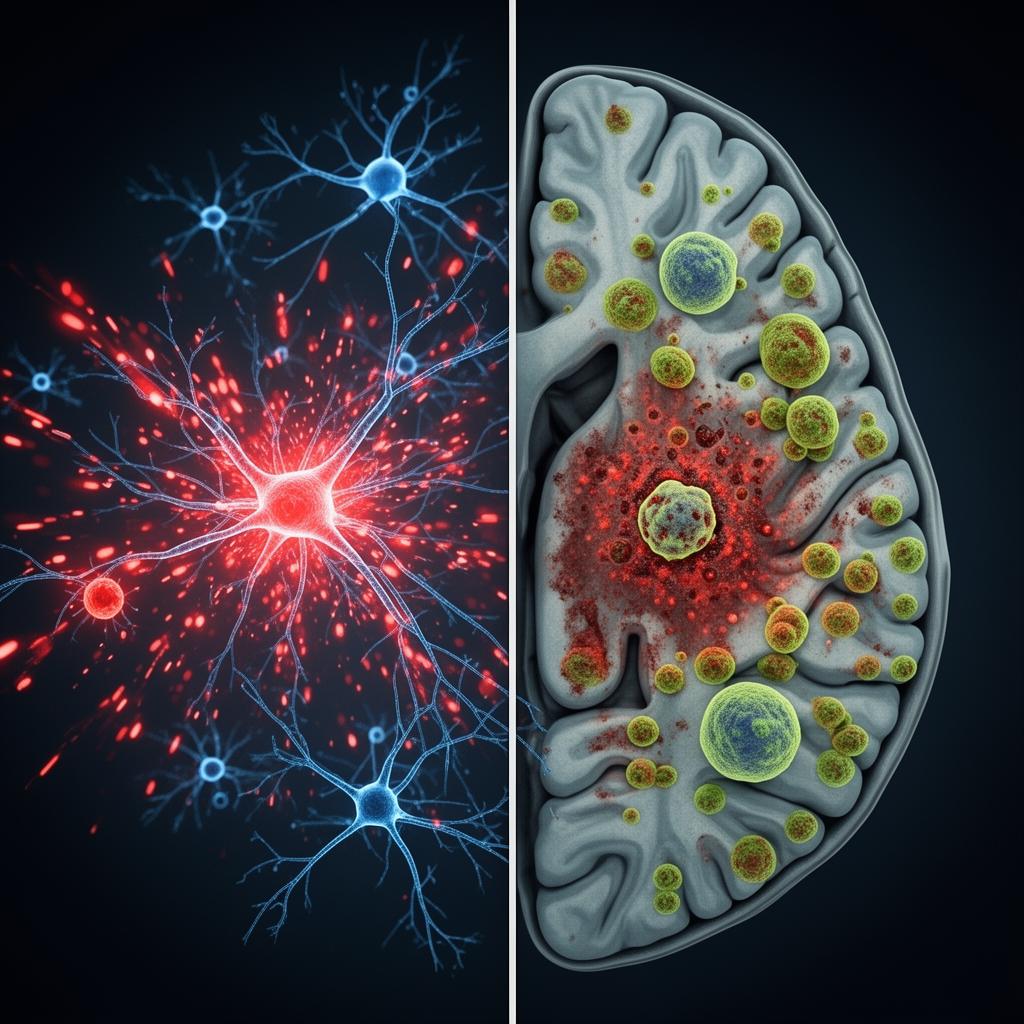
Contrary to popular belief, memory loss isn’t simply a natural part of aging. Researchers have identified a specific process called neuro-oxidative atrophy — and understanding it changes everything.
Environmental Toxins
Heavy metals, pesticides, and pollutants contaminate our food and environment, accumulating in brain tissue over time.
Oxidative Stress
These toxins trigger the production of free radicals — unstable molecules that damage brain cells, proteins, and DNA.
Neuronal Inflammation
The accumulation of free radicals causes chronic brain inflammation, disrupting communication between neurons.
Brain Cell Shrinkage
Over time, this oxidative damage causes brain cells to shrink and malfunction, leading to noticeable cognitive decline.
97,000+
People Using This Method
492/500
Saw Results in Clinical Trial
< 7 Days
Average Time to Notice Changes
20–90
Age Range of Participants
A Breakthrough Discovery
Nobel Prize-Winning Research Reveals the Brain Can Repair Itself
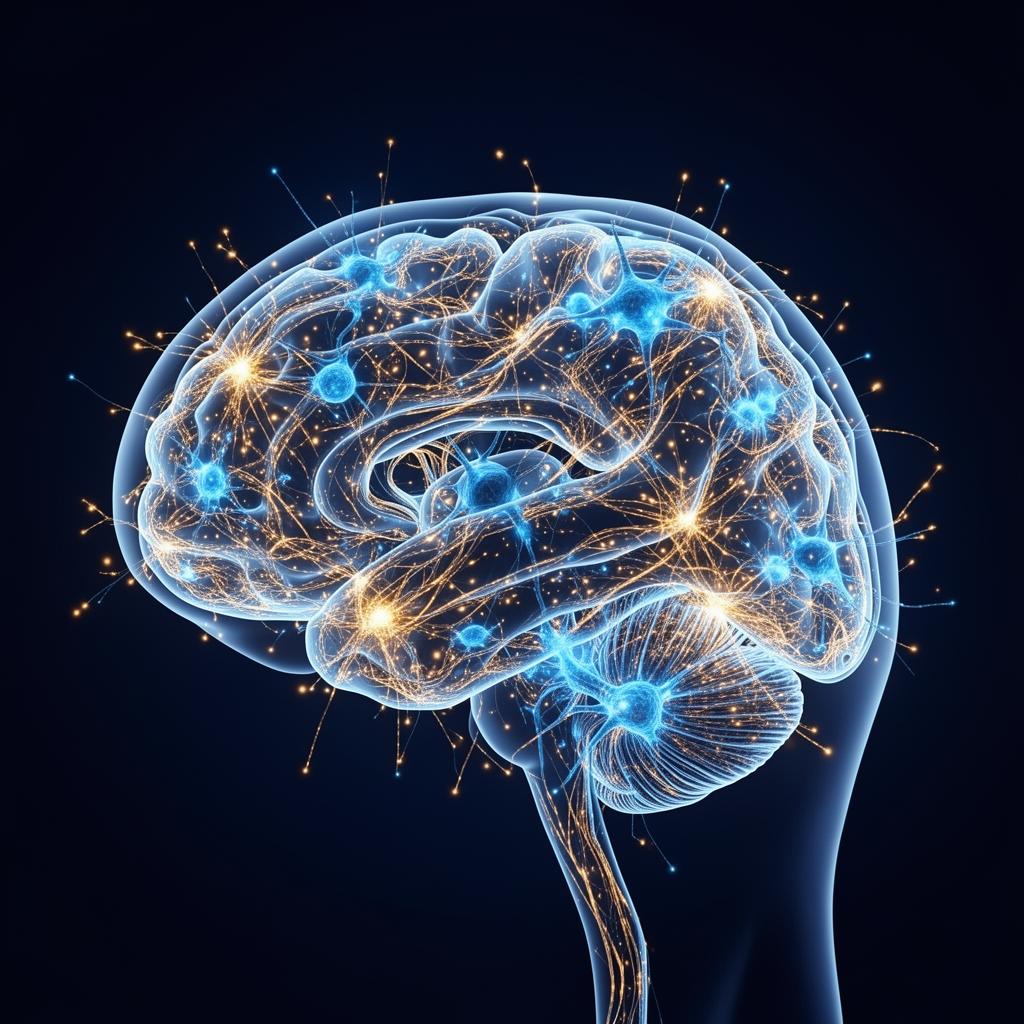
Building on decades of research from Nobel laureates, neuroscientists have discovered a simple neuro-activation method that taps into the brain’s natural regenerative power.
🛡️ Neutralize Free Radicals
Clear the toxic particles causing chaos in your brain, creating a healthier environment for cells to thrive.
🧠 Regenerate Brain Cells
Stimulate the brain’s natural ability to produce healthy new cells and form new neural connections.
🔗 Restore Neural Pathways
Strengthen communication between neurons to enhance memory, focus, and overall mental clarity.

“Within a week, I remembered memories from decades ago — the smell of my first car, the excitement of my wedding day. My problem-solving skills came back in full force. I felt like my old self again.”
— Leonard Gray, 59, Former NASA Engineer
Real Story
From Forgetting His Own Name to Full Recovery
The Diagnosis
Leonard Gray spent his career at NASA solving the most complex engineering problems imaginable. But 4 years ago, he received a devastating diagnosis: a neurocognitive disorder — the same condition that had progressed into Alzheimer’s in his father.
The Night Everything Changed
While visiting family in Roanoke, Michigan, Leonard woke up in the middle of the night unable to remember where he was — or even who he was. His own name had vanished from his mind. His wife Lisa found him disoriented and trembling.
“Leonard, you’re safe. You’re with family. Look at me — it’s Lisa.” She held him close, but her voice was trembling: “What if one day you can’t come back?”
The Relentless Search
That terrifying episode proved that traditional medications and therapies weren’t enough. Leonard spent months buried in Nobel Prize-winning research, consulting neuroscientists, until he discovered what scientists now call neuro-oxidative atrophy — the real root cause behind cognitive decline that most treatments completely ignore.
The Recovery
After applying a simple neuroactivation method based on this research, Leonard’s transformation began within days. He surprised Lisa with her favorite flowers — a gesture he’d forgotten for years. They spent the evening reliving memories together: their first date, their travels, the birth of their children.
“I looked at my wife and, for the first time in years, I didn’t feel the fear of forgetting her. I could be the husband, father, and friend I always wanted to be again.”
Don’t miss this
Watch the Free Presentation That’s Changing Lives
In this short video, you’ll discover the truth about why your memory is declining — and the simple, science-backed method that could restore your mental clarity in just days.
Here’s what you’ll learn:
- Learn the real cause of memory loss (it's NOT aging)
- Discover the neuro-activation method backed by clinical research
- See how 97,000+ people are restoring their cognitive function
- Free presentation — no purchase required
No credit card required • 100% free • Watch at your own pace
Frequently Asked Questions
Everything you need to know about short-term memory loss and cognitive health.